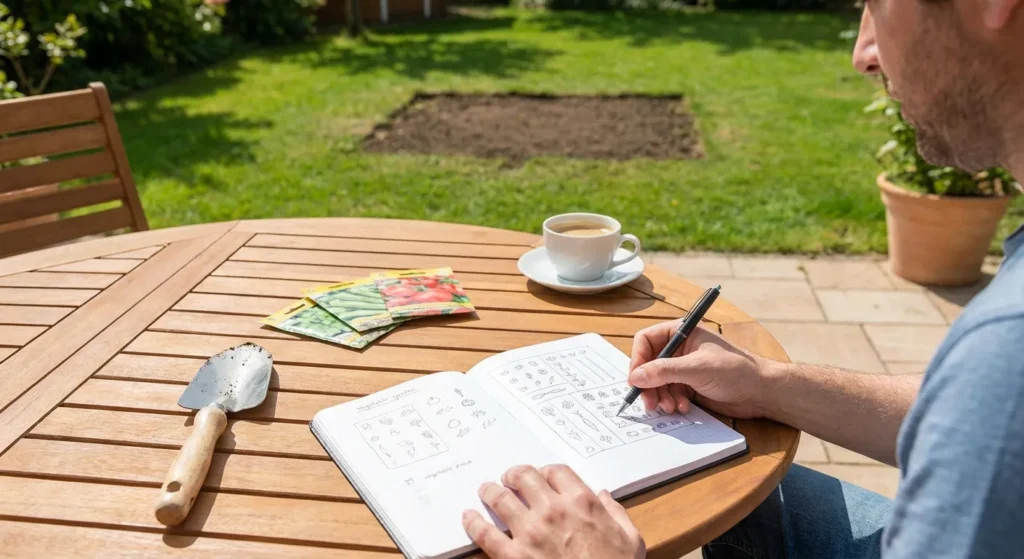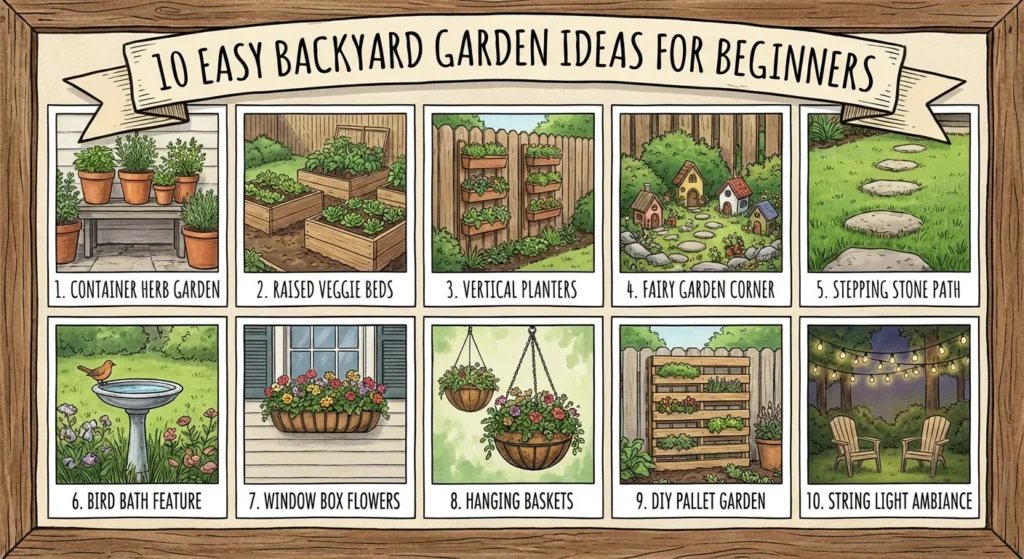

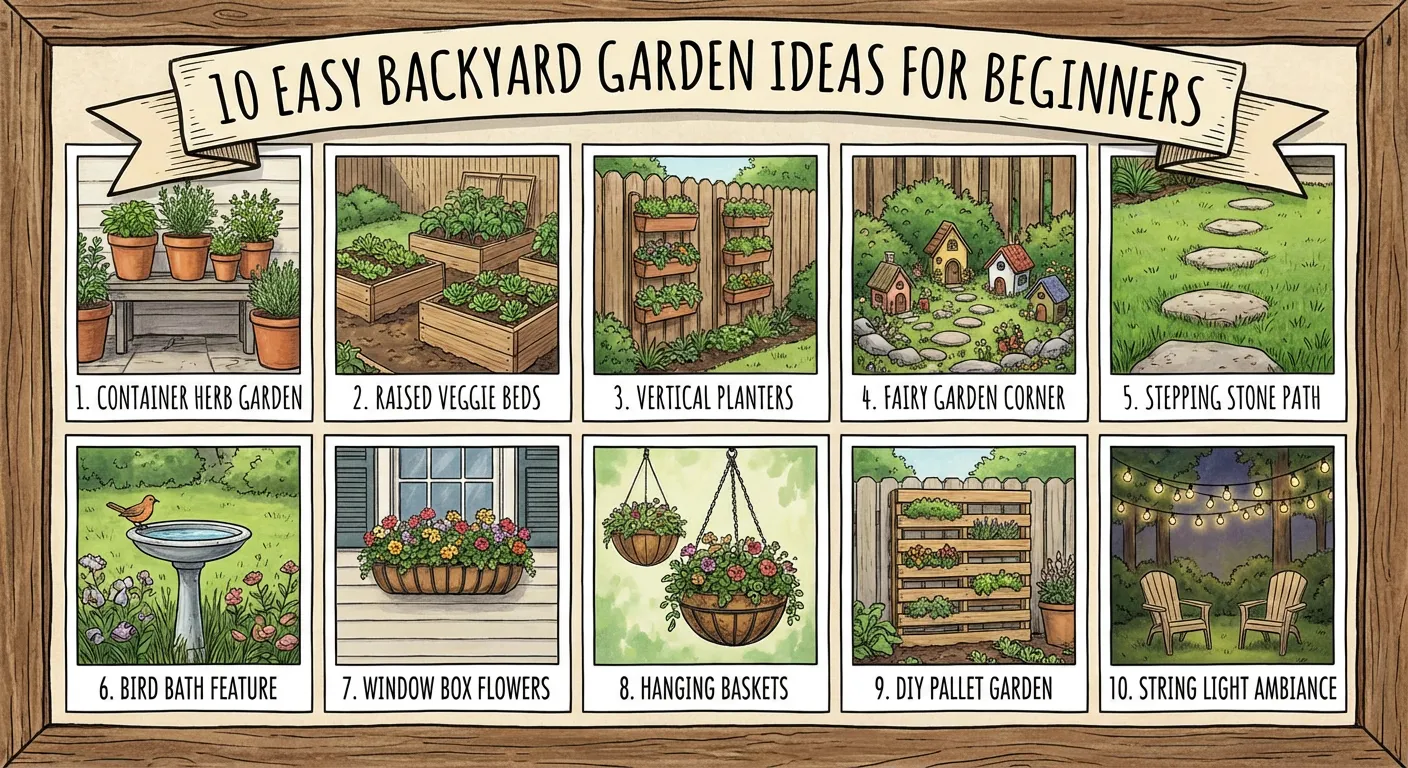
Have you been staring at your backyard for months, dreaming of lush greenery, colorful blooms, and a peaceful outdoor retreat — but have no idea where to start? You are not alone. Thousands of beginners feel the exact same way. The good news is that creating a beautiful backyard garden does not require years of experience, an expensive landscaping budget, or even a large plot of land. All it takes is a little inspiration, the right approach, and a willingness to get your hands dirty.
Whether you have a tiny patch of grass, a concrete patio, or a sprawling backyard that feels completely overwhelming, there are easy garden ideas that can work for you. This guide walks you through some of the most practical, beginner-friendly backyard garden ideas that will help you transform your outdoor space into something you are genuinely proud of — season after season.
Let’s dig in.
Why Starting a Backyard Garden Is One of the Best Decisions You Can Make
Before jumping into the ideas themselves, it helps to understand why so many people are turning to home gardening — and why now is the perfect time for you to start.
Gardening does more than beautify your yard. Research consistently shows that spending time in a garden reduces cortisol levels, lowers stress, and improves mental clarity. When you grow your own flowers, herbs, or vegetables, there is a deep sense of satisfaction that comes from nurturing something from seed to full bloom. Beyond the mental health benefits, a well-designed backyard garden can also increase your property value significantly.
For beginners, the fear of “getting it wrong” is very real. But here is something experienced gardeners will tell you: plants are far more forgiving than you think. Most gardening mistakes are recoverable, and every season teaches you something new. The key is to start simple, stay consistent, and build from there.
Now, let’s look at ideas that make starting easy, manageable, and — most importantly — fun.
Raised Garden Beds: The Beginner’s Best Friend
If there is one backyard garden idea that appears at the top of almost every beginner’s list, it is raised garden beds. And for very good reason.
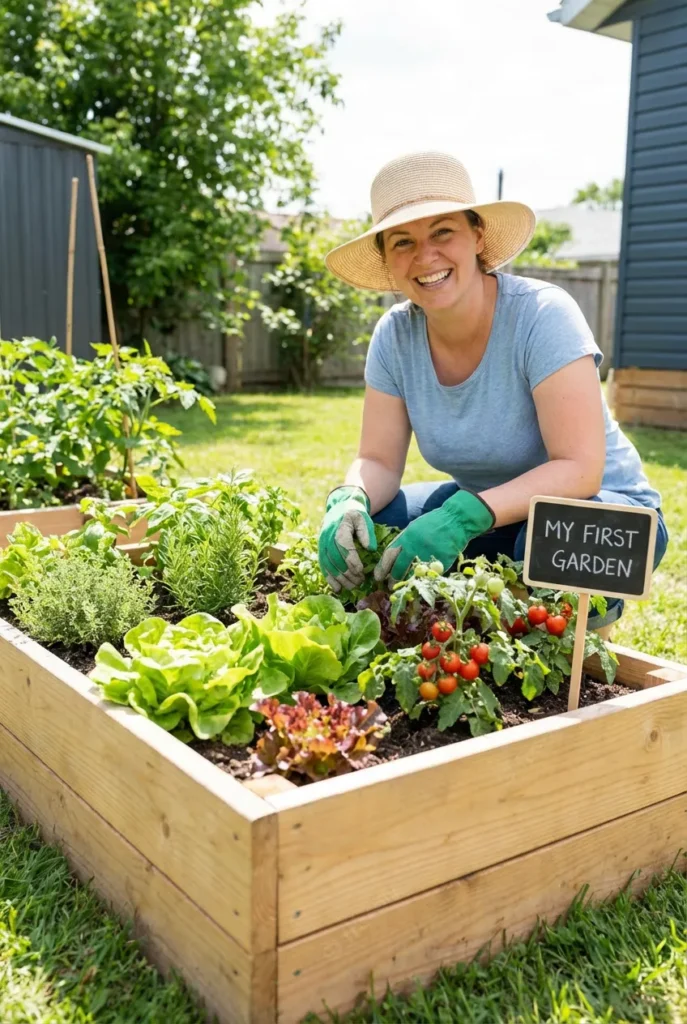
Raised beds give you complete control over your soil quality, which is one of the most critical factors in successful gardening. Instead of battling clay-heavy or nutrient-poor native soil, you fill your raised bed with a rich, custom blend of compost, topsoil, and organic matter. The result? Healthier plants, better drainage, and significantly fewer weeds.
For beginners, raised beds also make it easier to manage the size of your garden. Rather than committing to a massive plot that becomes overwhelming, you can start with one or two raised beds — perhaps four feet wide by eight feet long — and gradually expand as your confidence grows.
Raised beds can be built from cedar wood, galvanized steel, recycled lumber, or even stone blocks. Cedar is particularly popular because it is naturally rot-resistant and will last for years without chemical treatment. You can purchase raised bed kits from most garden centers, or build one yourself with basic tools in an afternoon.
What can you grow in a raised bed? Almost anything. Tomatoes, lettuce, herbs, carrots, peppers, beans, and flowers all thrive in well-maintained raised beds. Start with a mix of easy crops like lettuce and herbs, and add more variety as you learn what works in your specific climate.
Quick tip for beginners: Position your raised beds where they will receive at least six hours of direct sunlight per day. Most vegetables and flowering plants need full sun to truly thrive.
Container Gardening: A Flexible and Forgiving Approach
Not everyone has the space — or the budget — for raised beds. If you are working with a small backyard, a balcony, or a concrete patio, container gardening is one of the most versatile and accessible easy garden ideas available to you.
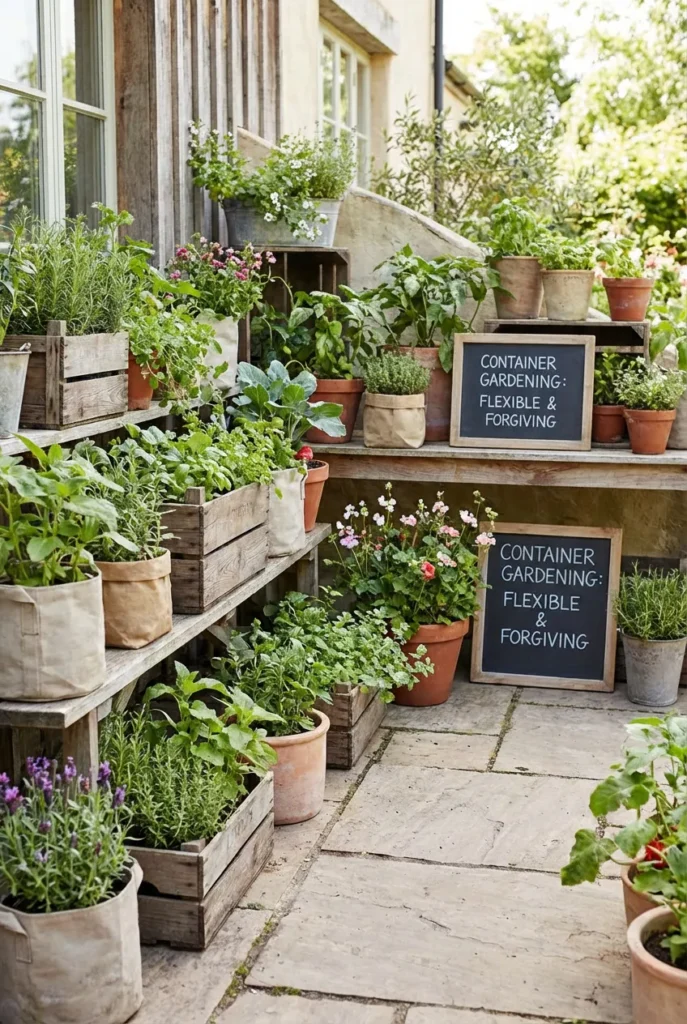
The beauty of container gardening is its flexibility. You can grow an impressive variety of plants in pots, buckets, window boxes, fabric grow bags, or even repurposed items like old crates and tin cans. If your plant is not thriving in one spot, you simply move the container. This level of control is incredibly valuable for beginners who are still figuring out their yard’s unique sun patterns, wind exposure, and microclimate.
Container gardens are also perfect for growing herbs. A small cluster of pots on your back porch — planted with basil, parsley, rosemary, mint, and thyme — creates a beautiful living display and gives you fresh herbs within arm’s reach whenever you are cooking. Herbs are among the easiest plants for beginners because they are fast-growing, low-maintenance, and incredibly rewarding.
For larger containers, consider tomatoes, zucchini, peppers, or dwarf fruit trees. Many plant varieties have been specifically bred for container growing, so look for words like “compact,” “patio,” or “bush” on the label when shopping.
The most important rule in container gardening is drainage. Every pot needs drainage holes at the bottom. Without them, water accumulates around the roots, creating soggy conditions that lead to root rot and plant death. Use a high-quality potting mix rather than regular garden soil, which can become compacted and waterlogged in containers.
Quick tip for beginners: Group your containers together for a lush, layered look. Use a mix of tall plants, medium-height plants, and trailing varieties to create visual depth and interest.
Create a Cozy Garden Nook with a Simple Seating Area
A backyard garden is not just for plants — it is also a place for you to sit, breathe, and enjoy. One of the most impactful ways to transform your outdoor space is to create a dedicated garden nook or seating area surrounded by greenery.
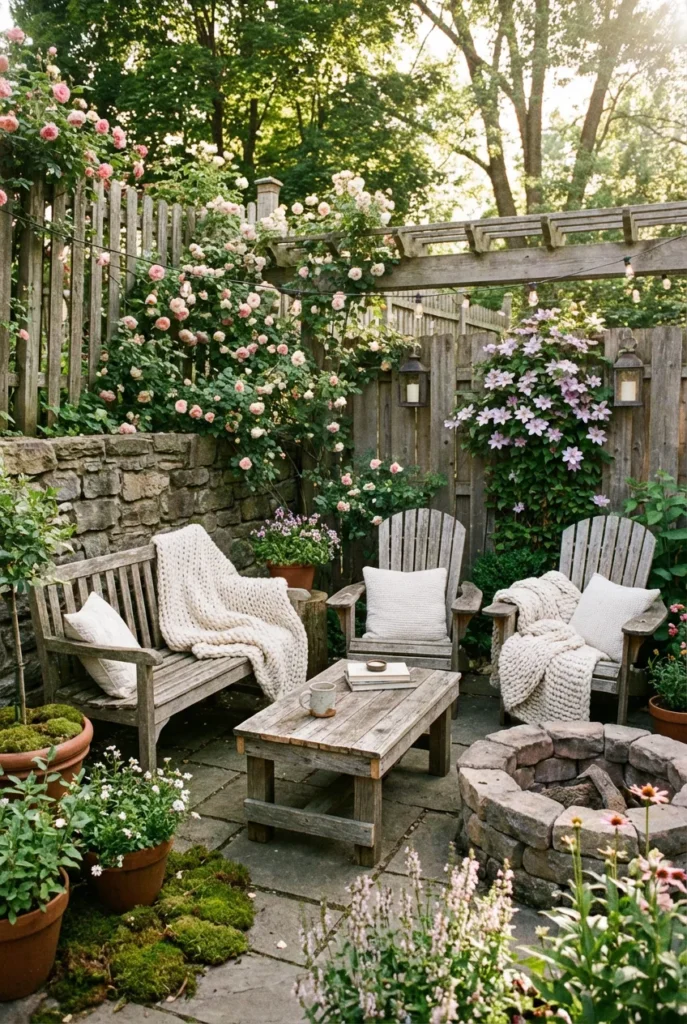
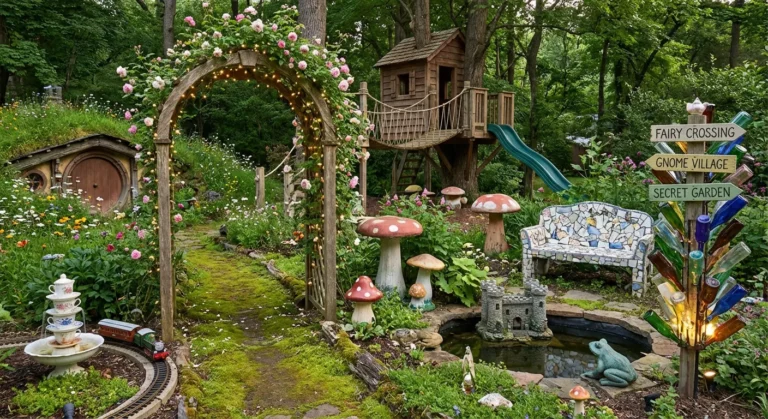
This does not have to be complicated or expensive. A simple approach is to place a small bench or a pair of garden chairs beneath a pergola or shade tree, then surround the area with container plants, climbing vines, or a low garden border. Instantly, you have created a space that feels intentional, welcoming, and removed from the everyday rush.
If you want to add more structure, a basic wooden pergola or an arched trellis draped with climbing roses, jasmine, or clematis creates a stunning focal point. These climbing plants are generally easy to grow and reward you with incredible fragrance and color as they mature.
For the ground surface around your seating area, consider mulch, gravel, or stepping stones. These materials look attractive, reduce maintenance (no grass to mow), and help define the space visually. Surround the edges with low-growing perennials like lavender, catmint, or ornamental grasses for a soft, natural border.
String lights add a magical finishing touch to a garden nook, making the space usable and beautiful even in the evening hours. Solar-powered options are inexpensive, require zero wiring, and come in many decorative styles.
Quick tip for beginners: Choose one spot in your backyard that you actually look at from inside the house. Creating a garden nook in this area means you get to enjoy the view even when you are not outside.
Plant a Pollinator Garden to Support Nature and Add Color
One of the most beautiful and ecologically meaningful backyard garden ideas for beginners is a pollinator garden. Designed to attract bees, butterflies, and other beneficial insects, pollinator gardens are colorful, relatively low maintenance, and deeply satisfying to watch come to life.
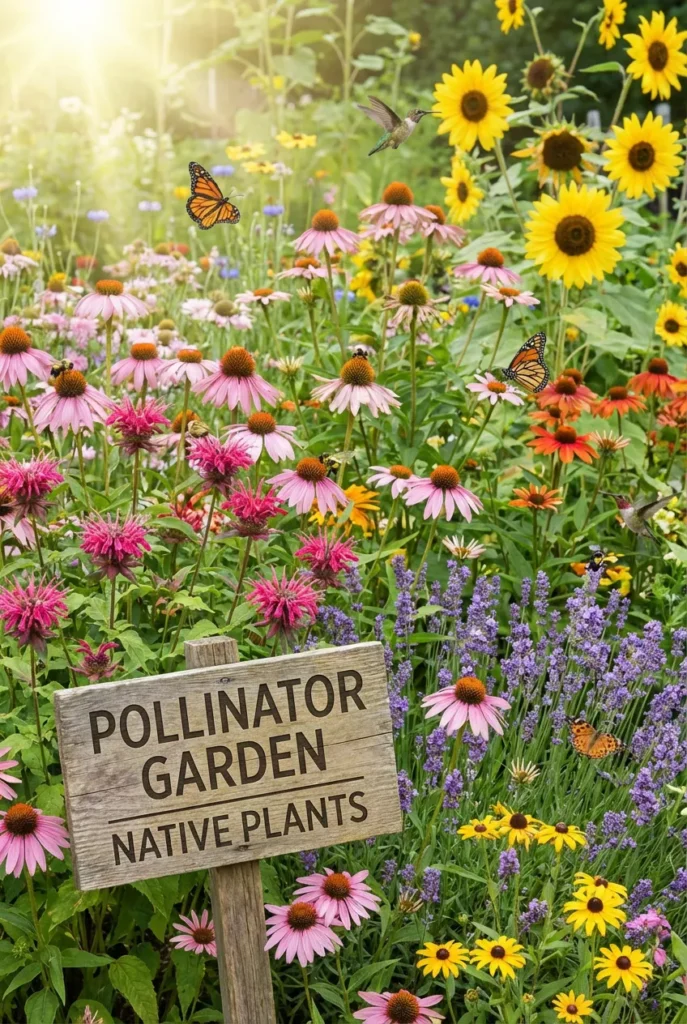
The concept is simple: you choose plants that produce abundant nectar and pollen, arrange them in a sunny bed, and let nature do the rest. What follows is a daily parade of visiting bumblebees, monarch butterflies, hummingbirds, and countless other fascinating creatures.
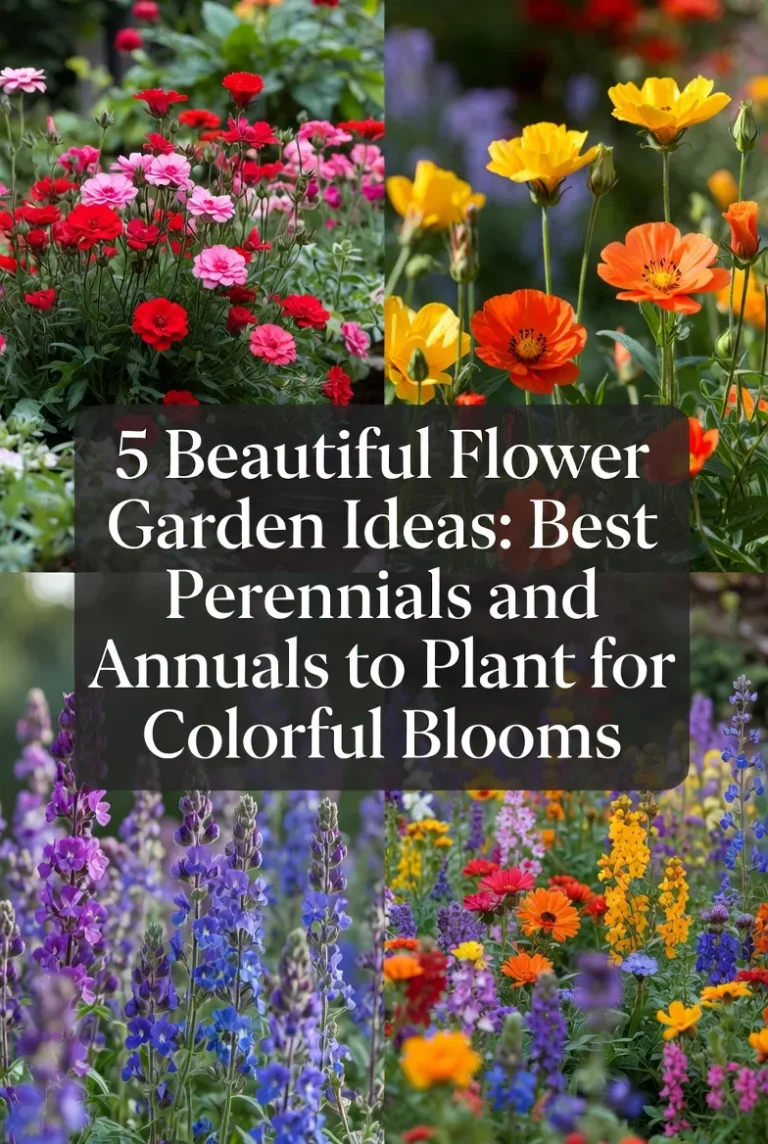
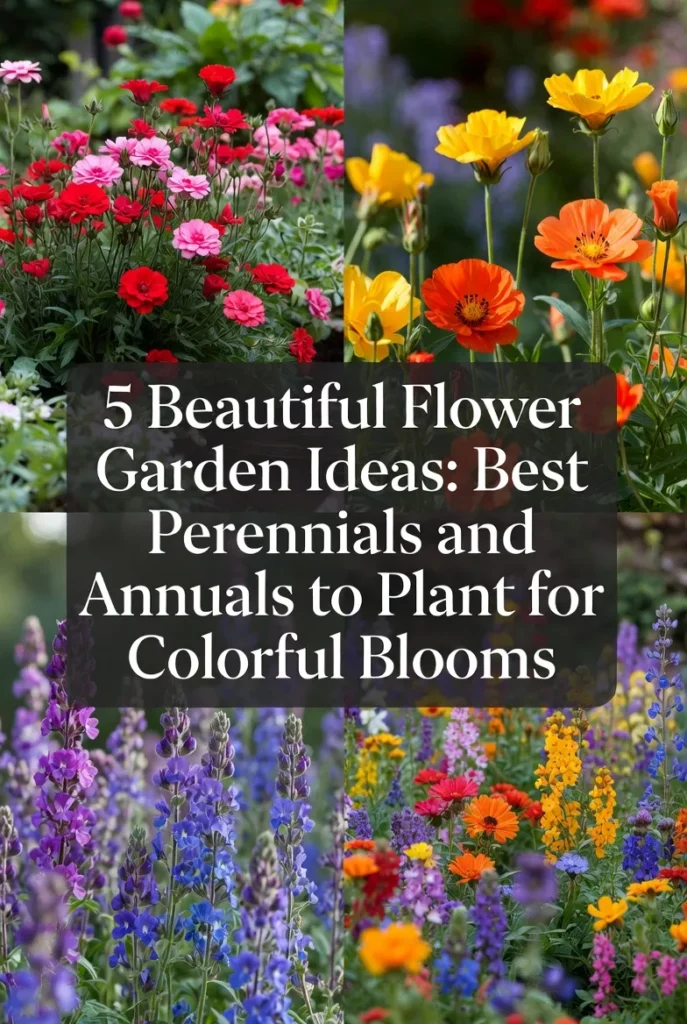
Some of the best plants for a beginner’s pollinator garden include lavender, coneflower (echinacea), black-eyed Susan, butterfly bush, bee balm, salvia, and native wildflowers. These plants are typically hardy, drought-tolerant once established, and bloom over a long season — providing continuous food for pollinators from late spring through early fall.
When designing your pollinator garden, aim for a variety of flower shapes, sizes, and bloom times. Different pollinators have different preferences. Long tubular flowers attract hummingbirds. Flat, open flowers are favorites of butterflies. Deep tubular blooms are perfectly shaped for bumblebees.
Avoid using pesticides in or near your pollinator garden. Even products marketed as “safe” can harm beneficial insects. Instead, embrace a slightly less-than-perfect approach: a few nibbled leaves are a small price to pay for a thriving, living ecosystem in your backyard.
Quick tip for beginners: Include a shallow dish of water with a few stones inside near your pollinator garden. Butterflies and bees need water too, and this simple addition will make your garden even more attractive to visiting wildlife.
Start a Simple Vegetable Patch for Fresh Homegrown Food
Nothing beats walking out to your backyard and harvesting fresh vegetables for tonight’s dinner. For many beginner gardeners, growing their own food is the dream that finally gets them outside and digging. The good news is that a simple vegetable patch is one of the most achievable easy garden ideas you can pursue, even without any prior experience.
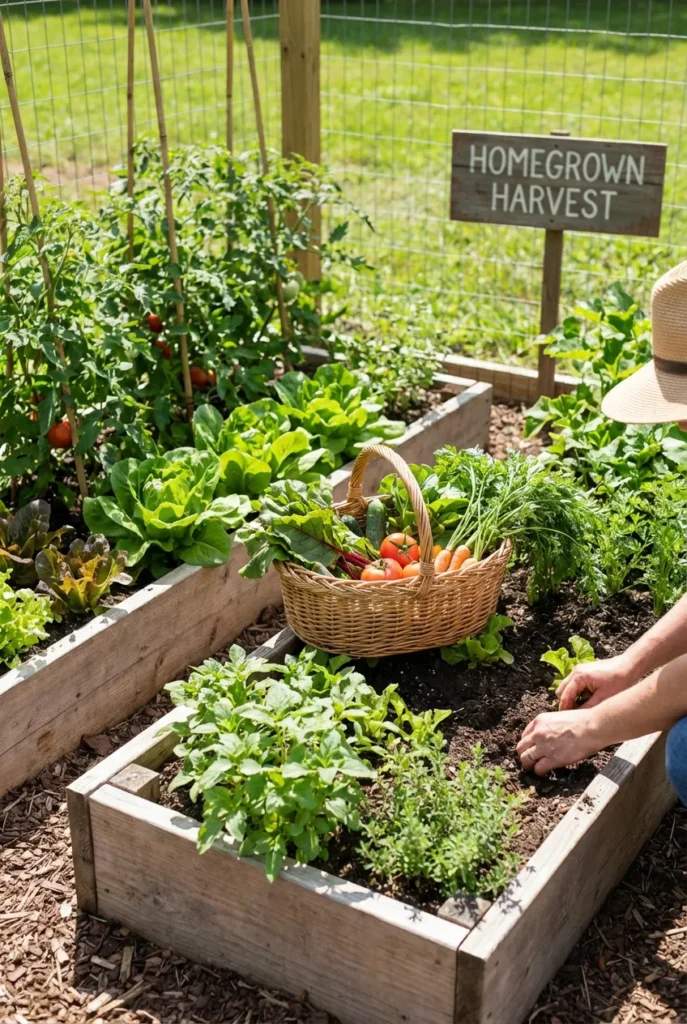
To start, choose a sunny location and keep your first vegetable patch modest in size. A bed of roughly four feet by eight feet is enough to grow a meaningful variety of crops without becoming unmanageable. Focus on vegetables that are known to be forgiving and fast-rewarding for new growers.
Lettuce and salad greens are ideal first crops. They germinate quickly, can be harvested within weeks, and tolerate partial shade better than most vegetables. Sow seeds directly into the soil, keep them watered, and you will be eating your own salad in about a month.
Zucchini and summer squash are notoriously productive — almost aggressively so. Plant one or two seeds, give them space, and expect to be overwhelmed with squash by midsummer. Beans, both bush and pole varieties, are similarly easy to grow from direct sowing. Cherry tomatoes are more forgiving than large beefsteak types and produce abundantly through the warm months.
Herbs are technically not vegetables, but they belong in any beginner’s kitchen garden. Basil, parsley, chives, cilantro, and mint can be grown in the ground or in containers alongside your vegetables. They improve the flavor of your cooking, deter certain pests, and add lovely texture and fragrance to the garden.
Water your vegetable patch consistently, ideally at the base of the plants in the morning. Mulch around your plants with straw or wood chips to retain moisture, suppress weeds, and keep the soil temperature stable. Feed every two to three weeks with a balanced liquid fertilizer once plants are established.
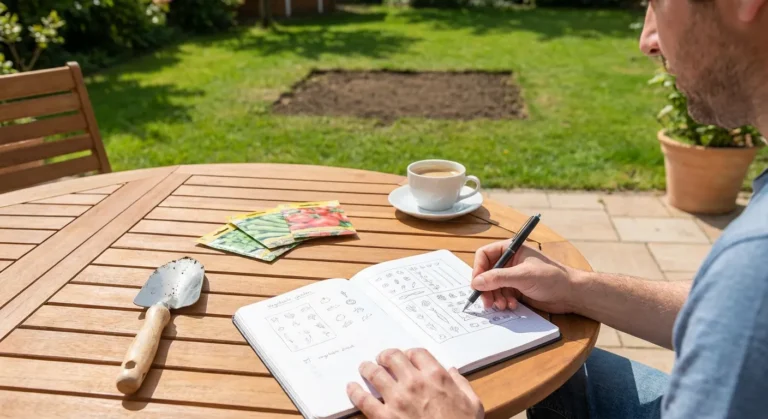
Quick tip for beginners: Keep a simple garden journal. Note what you planted, when you planted it, and how it performed. This record becomes invaluable as you plan future seasons and refine your approach year by year.
Use Mulch and Ground Cover to Reduce Maintenance
One of the most underestimated tools in a beginner gardener’s toolkit is mulch. Applying a layer of organic mulch around your plants and across your garden beds is one of the single best things you can do to make gardening easier, healthier, and more attractive.
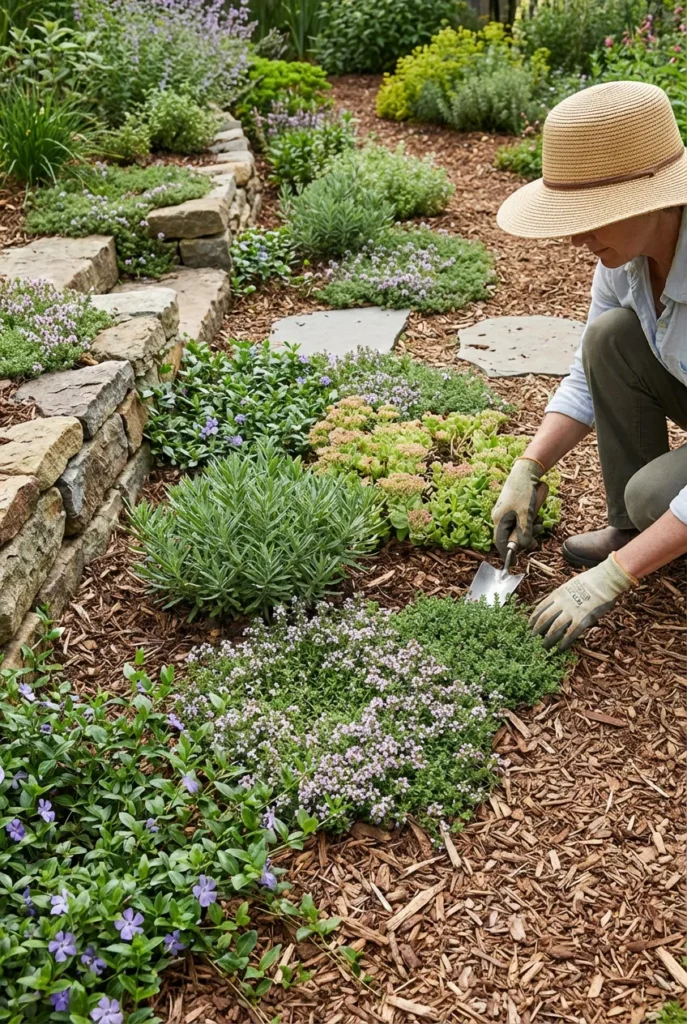
Mulch works on multiple levels. It suppresses weed growth by blocking sunlight from reaching the soil surface. It retains moisture, reducing how often you need to water. It moderates soil temperature — keeping roots cool in summer and protected in winter. As it breaks down over time, organic mulch improves soil structure and adds nutrients.
Wood chips, straw, bark nuggets, and compost all make excellent mulch materials. Apply a layer of two to three inches across your garden beds, keeping the mulch a few inches away from the base of plant stems to prevent rot.
For areas where you want a permanent, low-maintenance solution, ground cover plants are a wonderful alternative to bare soil or constant mulching. Creeping thyme, sedum, sweet woodruff, vinca, and hostas are all excellent ground covers that spread naturally, suppress weeds, and create a lush, finished look without much ongoing effort.
Ground covers are particularly useful for challenging spots in the garden — shaded areas where grass struggles, steep slopes that are difficult to maintain, or gaps between stepping stones. Once established, most ground covers require very little care beyond occasional trimming to keep them within bounds.
Quick tip for beginners: Before adding ground cover plants to a new area, lay down a layer of cardboard topped with compost or mulch a season ahead of time. This “lasagna gardening” technique smothers existing weeds and creates rich soil for planting.
Add Vertical Elements to Maximize Small Spaces
If your backyard is small, vertical gardening is a game-changer. By training plants upward along fences, trellises, walls, and arbors, you dramatically increase the amount of growing space available without expanding your footprint.
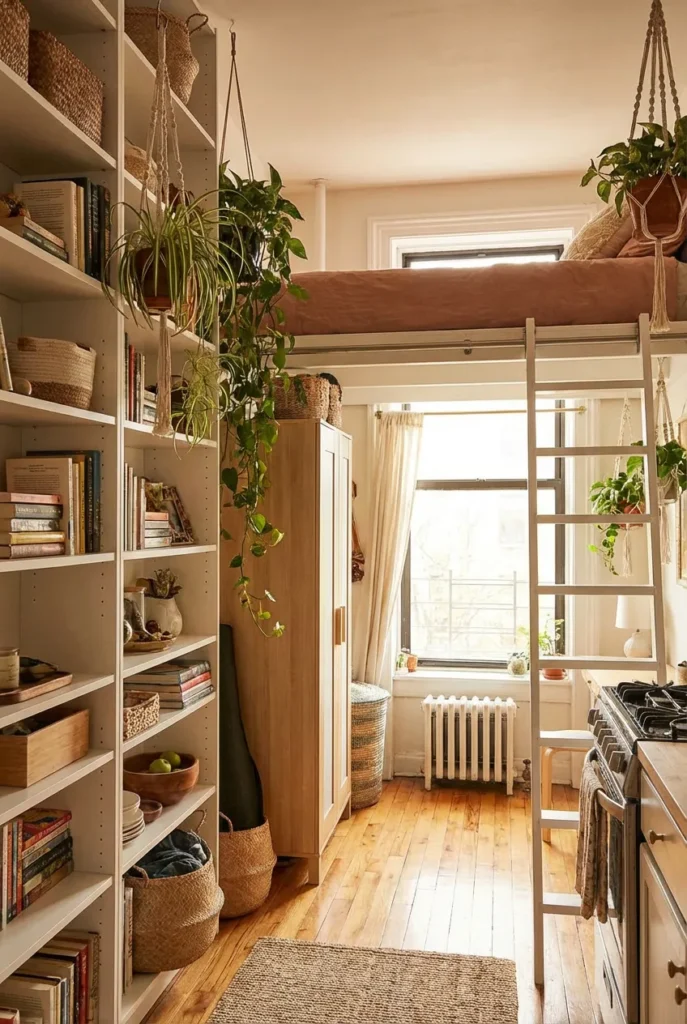
Vertical gardening also adds incredible visual interest to an outdoor space. A fence covered in climbing roses, a rustic trellis supporting sweet peas or morning glories, or a wall-mounted planter cascading with herbs and trailing flowers creates a sense of lush abundance even in a compact yard.
For food production, vertical growing is especially efficient. Pole beans, cucumbers, peas, and indeterminate tomatoes all grow naturally upward when given support. Training these plants onto a trellis or cage keeps them off the ground, improves air circulation (reducing disease), and makes harvesting much easier.
For decorative purposes, climbing plants like clematis, honeysuckle, wisteria, and climbing hydrangea are all relatively easy to establish and spectacular in full bloom. Fast-growing annual climbers such as morning glory and nasturtium are perfect for beginners because they grow vigorously from seed, bloom within weeks, and provide instant impact in the first season.
Wall-mounted vertical planters made from fabric, wood, or metal are another great option. These work beautifully for strawberries, succulents, herbs, or trailing flowers, and can turn a blank fence or exterior wall into a living work of art.
Quick tip for beginners: Install your trellis or support structure before you plant, not after. Trying to add supports to an already-established plant risks disturbing the roots and damaging the plant.
Design a Low-Maintenance Perennial Border
One of the most rewarding long-term investments you can make in your backyard garden is establishing a perennial border. Unlike annual plants, which must be replanted every year, perennials come back season after season from the same root system, growing larger and more impressive with each passing year.
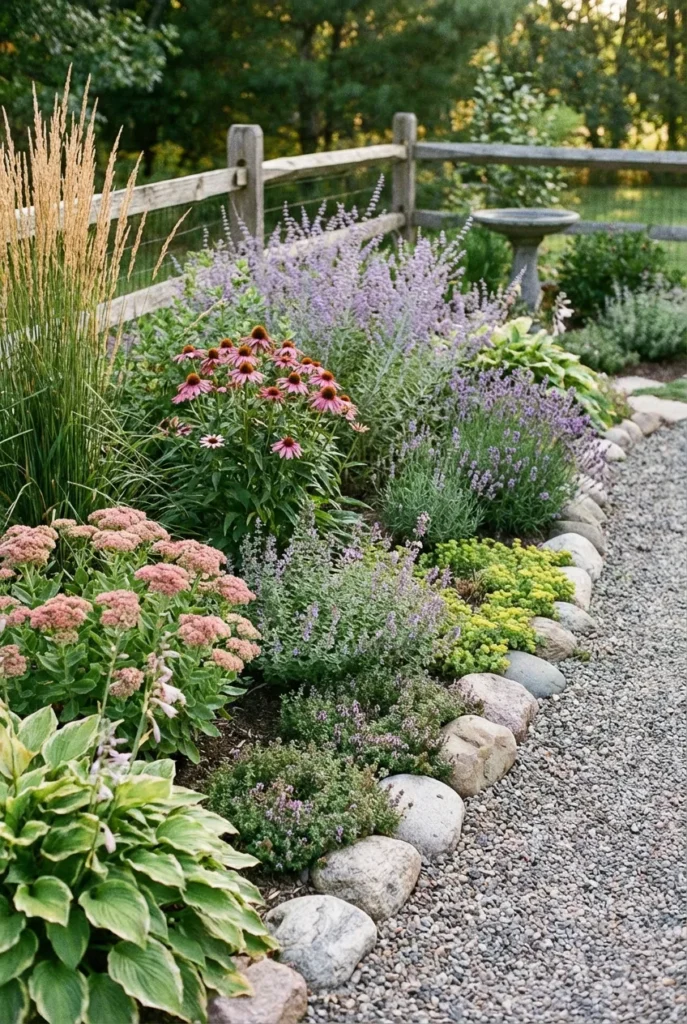
A well-planned perennial border requires the most work in the first year — soil preparation, planting, and establishment. After that, your maintenance needs drop significantly. A spring tidy-up, some summer dividing, and occasional feeding is typically all a mature perennial border needs to look spectacular.
For beginners, the key to a successful perennial border is choosing the right plants for your specific conditions — primarily your climate zone, sun exposure, and soil type. Hardy, forgiving perennials that perform reliably for beginners include daylilies, hostas, coneflower, black-eyed Susan, salvia, catmint, sedum, and ornamental grasses.
Aim to design your border with plants of varying heights, textures, and bloom times so that something is always looking its best throughout the growing season. Tall ornamental grasses and upright plants at the back, medium-height flowering perennials in the middle, and low-growing edging plants at the front creates a classic, layered look that is visually satisfying from every angle.
Resist the urge to over-plant in the first year. Perennials need room to grow and spread, and overcrowding leads to poor air circulation and increased disease. Follow the spacing recommendations on plant labels, fill gaps temporarily with annuals or mulch, and let your border develop at its own pace.
Quick tip for beginners: Visit a local botanic garden or garden center in different seasons to see which perennials you love at various times of year. Building a planting list based on what you actually see growing well in your region is one of the best strategies for success.
Incorporate Water Features for Tranquility and Wildlife
Adding a water feature to your backyard garden does not have to mean a large, expensive pond. Even a small, self-contained water feature — a glazed pot fountain, a birdbath, or a simple recirculating stream — can transform the atmosphere of an outdoor space completely.
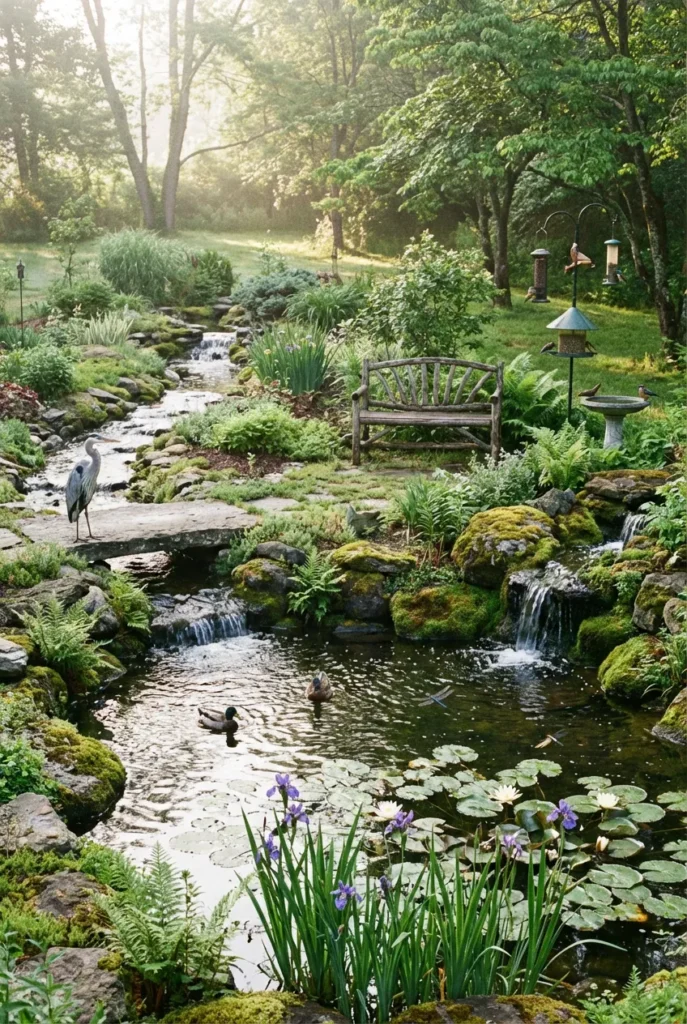
The sound of moving water is naturally calming and creates a beautiful ambient backdrop to your garden. Water features also attract an incredible diversity of wildlife — birds come to bathe and drink, frogs take up residence in larger features, and dragonflies patrol the water’s surface on warm summer days.
For beginners, self-contained water features are the easiest starting point. These are pre-assembled units with a built-in pump and reservoir that recirculate the same water continuously. They require minimal installation — simply fill with water, plug in, and enjoy. Many battery-operated or solar-powered options eliminate the need for any electrical connection at all.
If you are ready to go a step further, a small preformed pond liner or a half-barrel water garden can be installed over a weekend without professional help. Stock your pond with a few oxygenating aquatic plants like water lilies or water hyacinth to keep the water clear and create a natural-looking display.
Position your water feature where you can see and hear it from your seating area. Surround it with moisture-loving plants like ferns, astilbe, hostas, or iris for a lush, naturalistic setting that feels deliberately designed.
Quick tip for beginners: Keep your water feature topped up regularly, especially in summer when evaporation is highest. If you notice green algae buildup, add a drop or two of barley straw extract — a natural, plant-safe solution that keeps water clear without chemicals.
Light Up Your Garden for Evening Enjoyment
A beautiful backyard garden deserves to be enjoyed after sundown too. Thoughtful outdoor lighting extends your time in the garden, creates a magical ambiance, and can highlight your best planting displays in a completely different way than daylight does.
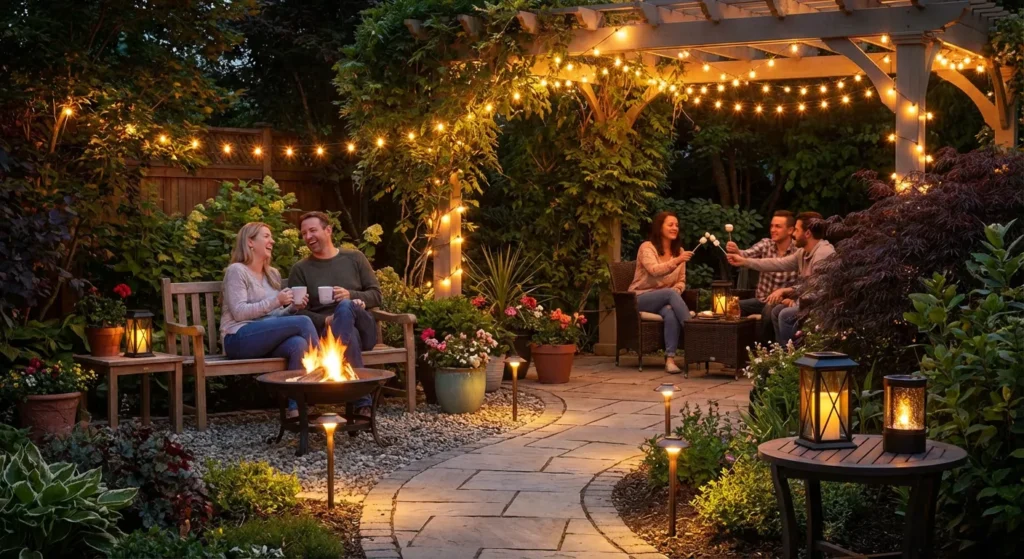
Solar-powered path lights are one of the easiest additions to any garden — simply push them into the soil along pathways, borders, or around your seating area. They charge during the day and switch on automatically at dusk. No wiring, no electricity bills, no maintenance.
For more dramatic effect, spotlights positioned at the base of a beautiful tree, pergola, or feature plant can create stunning shadows and silhouettes. String lights draped across a pergola or threaded through climbing plants transform a garden seating area into an enchanting evening destination.
Lanterns, candles, and fire pits add warmth and intimacy to garden evenings. A simple fire pit surrounded by garden chairs creates an instant gathering point and extends the outdoor season well into autumn.
When lighting your garden, less is often more. Aim for soft, warm-toned lighting that feels natural and inviting rather than harsh or overly bright. Let some areas remain in shadow — this contrast is what creates the depth and drama that makes a well-lit garden so beautiful after dark.
Quick tip for beginners: Accent the path between your back door and your seating area with ground-level solar lights first. This practical approach ensures safety and immediately makes your garden feel like an extension of your home.
Bringing It All Together: Your Backyard Garden Transformation Starts Now
Reading about backyard garden ideas is exciting, but the real transformation happens when you put down the screen and pick up a trowel. The most important step is the first one: choose a single idea from this list, start small, and begin.
Perhaps you will build one raised bed and plant a mix of herbs and lettuce. Maybe you will hang a few containers on a sunny fence and discover the joy of watching tomatoes ripen outside your kitchen window. Or maybe you will simply clear a small patch, choose a handful of perennials you love, and see what your garden becomes over the next few years.
Every experienced gardener started exactly where you are now — uncertain, curious, and a little bit nervous. The backyard garden you dream of is entirely within your reach. Start today, stay curious, and give yourself permission to enjoy the process every step of the way.
Your outdoor space is waiting to be transformed. 🌿